Freeze-Drying (Dongkyeolgeonjo)
TL;DR · Origin"Dongkyeolgeonjo" (동결건조) is the ordinary Korean engineering term for freeze-drying, the process of freezing food or pharmaceuticals and then removing water by sublimation so …
Origin
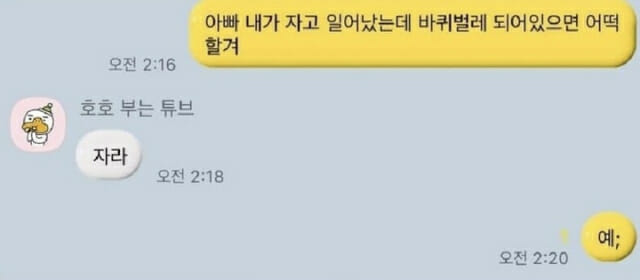
"Dongkyeolgeonjo" (동결건조) is the ordinary Korean engineering term for freeze-drying, the process of freezing food or pharmaceuticals and then removing water by sublimation so that the original shape and composition survive long-term storage. On the Korean internet the term has been transferred to people, becoming a vocabulary of affection for the wish that someone precious would stop aging and remain exactly as they are now. The best-known form is "I want to freeze-dry my mom," which first appeared in a post by an X (formerly Twitter) user and spread across social platforms from there, as reported in Korean media. It resonated widely because it gave teenagers and people in their twenties, who often find it hard to say aloud what watching a parent age feels like, a way to express that feeling through an absurd preservation process instead of stating it directly. In July 2026 it was included in a press-compiled guide to first-half neologisms, glossed as the wish to freeze something and keep it forever.
Usage
The word is used as an expression of affection meaning that the speaker wants to hold the subject's present state in place. In relationships where a direct declaration of love or worry would feel embarrassing, it preserves the size of the emotion while lowering the temperature of the delivery. Typical situations include the following.
- Captioning a photo of one's parents with "I want to freeze-dry my mom"
- Writing "freeze-dry at current state" when a pet's aging becomes hard to watch
- Reacting to a favorite artist's look or condition during a particular era with "freeze-dry them at this point"
It reads most naturally when directed at subjects where the affection is unambiguous, such as family members or pets. Commentators note that applied to someone the speaker is not close to, the meaning can land awkwardly.
Spread and lineage
The expression belongs to a Korean internet habit of repurposing technical terminology as emotional vocabulary. It sits in the same lineage as menbung, which describes a psychological state as a mental collapse, and tteoksang, which pulls trading and probability language into everyday speech: rather than naming a feeling directly, the speaker maps it onto a mechanical or physical procedure and gains a little distance in the process. Freeze-drying is cited as an unusually precise case of the technique, because the defining property of the process, preserving something intact without destroying it, coincides exactly with the content of the emotion. As it spread, the meme widened from its original narrow use as an expression of affection toward mothers to cover pets, idols, friends, and even particular seasons or scenes. In May 2026 it became the subject of press coverage framed as a portrait of how young people now express love to their parents, and its reappearance in the July slang roundup carried the meaning to readers outside meme-fluent circles.
Sources
- Korean press report, "How today's children express love… an affection meme aimed at mothers spreads on social media" (9 May 2026) — original post and route of spread
- Asia Today, "[Card News] Complete guide to first-half 2026 Korean neologisms" (23 July 2026) — entry for the term