It was summer
TL;DR · Origin It began on Twitter in 2019. The starting point was a tweet observing that appending "it was summer" to any sentence at all turns it into something wistful and literary. Use…
Origin
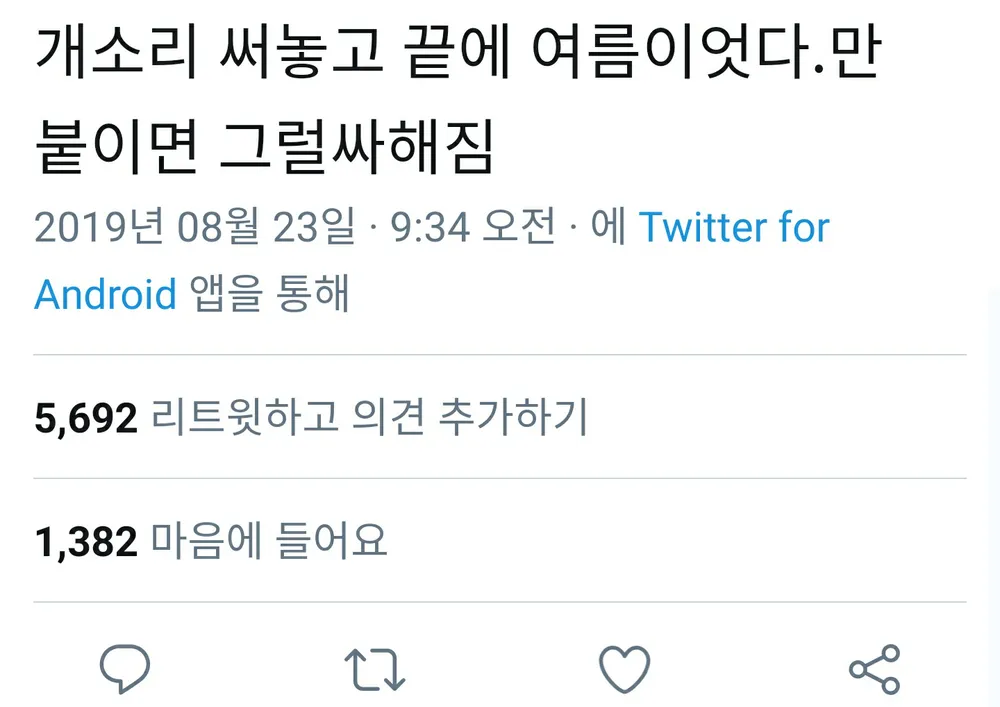
It began on Twitter in 2019. The starting point was a tweet observing that appending "it was summer" to any sentence at all turns it into something wistful and literary. Users who took up the idea started writing whatever nonsense they liked and closing only the last line with "it was summer."
The mechanism is changing genre through style alone. "It was summer" is a closing move common in the translated-literary register of Korean prose, the way a passage of recollection ends. Drop a bare season and shut the sentence, and whatever preceded it reads as a narration looking back on a time gone by. The more absurd the preceding lines, the wider the gap.
Spread
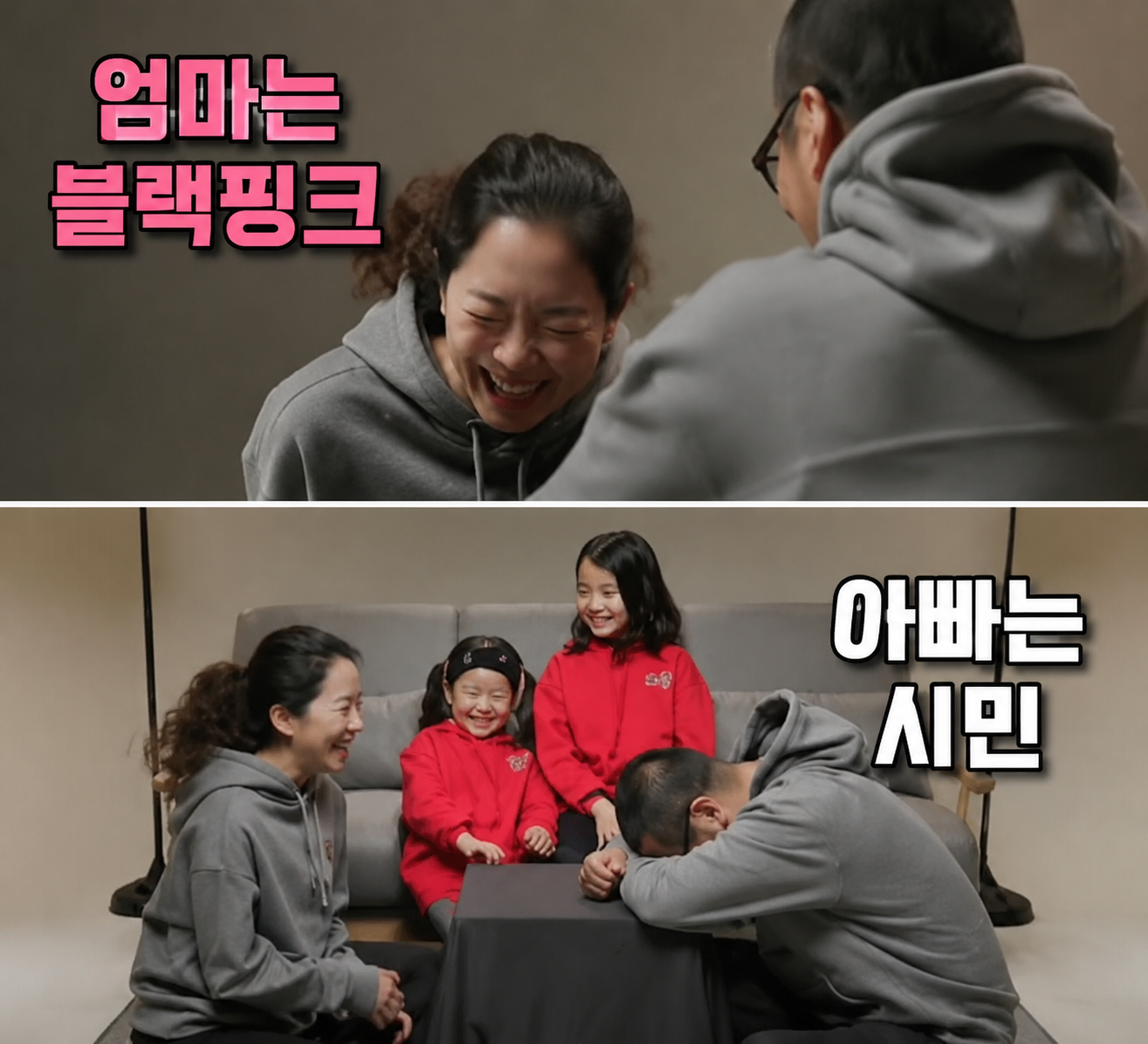
Early usage leaned on attaching it to sentences that were the opposite of lyrical, purely for dissonance. Later a format took hold in which several people carry on a conversation in the replies and the last person cuts it off with "it was summer." Since the longer and more trivial the preceding exchange, the funnier the ending, it suited community play well.
It also crossed into earnest use, appearing in webtoon and broadcast captions to close out an installment. According to Namu Wiki, the archer An San quoted the phrase in remarks after winning Olympic gold — a case of a sentence that started as a meme returning to service as a genuine idiom of feeling.
The question of who did it first
Several claims circulate about where the phrase came from. Because the line appears in Françoise Sagan's Bonjour Tristesse, some argue that is the source; others tie it to the lyrics of Number Girl's "Toumei Shoujo."
But the sentence is less an invention of any one work than a common way of closing a recollection. What the 2019 tweet did was not coin a new expression but expose how an existing one works. The meme's contribution lies not in the sentence but in making everyone notice the effect it produces.
Usage
- Ending a trivial story on a lyrical note — attached to the final line only
- As the full stop in a reply-chain game — cutting the conversation off
- When actually writing a recollection — in its original, non-meme sense
- Swapping the season — "it was winter," "it was the rainy season"
Sources
- Namu Wiki, "It was summer" — the 2019 Twitter origin, the tweet that triggered it, An San's quotation in her medal remarks, the Sagan attribution claim
- TheWiki, "It was summer" — cross-check of the same entry
- DCInside literature gallery, "Is there no meme after 'it was summer'?" — its consumption as a style meme in community discussion
- Serendipity, "The meaning and origin of 'it was summer'" — usage summary