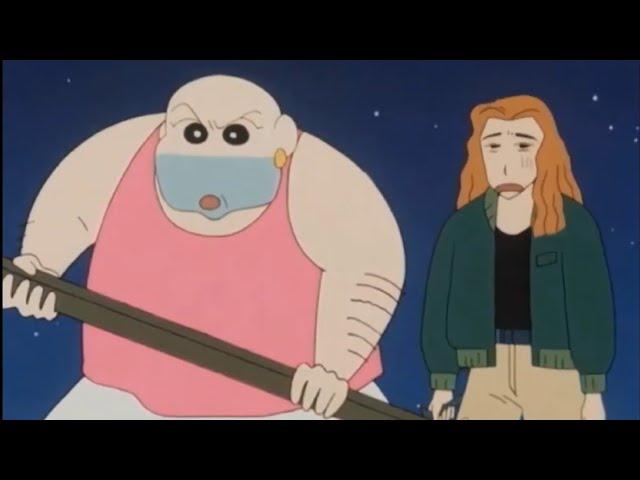
Tell them I can't go
TL;DR · OriginThe phrase comes from the refrain of "Baekse Insaeng" ("A Hundred-Year Life"), sung by trot singer Lee Ae-ran. The song's roots go back to 1995: composer Kim Jong-wan wrote i…
Origin
The phrase comes from the refrain of "Baekse Insaeng" ("A Hundred-Year Life"), sung by trot singer Lee Ae-ran. The song's roots go back to 1995: composer Kim Jong-wan wrote it after watching an acquaintance's father die at around fifty, pouring into it a wish to live longer, under the original title "If the Other World Calls, I Will Say This." After several rearrangements and revisions it settled into the title "Baekse Insaeng" in 2013, and the version Lee Ae-ran recorded in 2015 is the one the public came to know. The song's history is documented in the Namu Wiki entry on the song.
The lyric structure is the meme's skeleton. It climbs the ages one at a time from sixty to a hundred, giving a fresh reason to refuse each time the reaper comes to collect, and closing every verse with "tell them I can't go." For all that it handles death, the speaker's stance — sending word back rather than pleading — is bracing. The repeating refrain matters too: change only the front half and you have a new sentence.
Spread
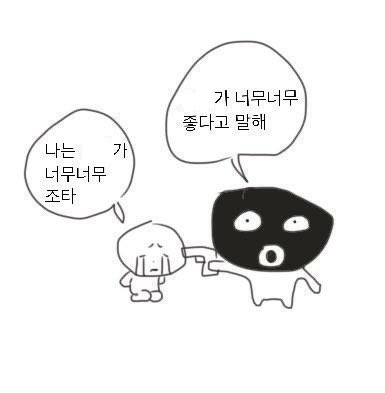
What hardened into a meme was not the song so much as a broadcast frame. A screen capture of Lee Ae-ran performing it on the show Myeongpum Gayoshow in April 2013 circulated with its caption and settled in as an image macro. Capture and song reinforcing each other, the trend broke out in late 2015 among young listeners who were never this genre's audience; on December 5, 2015 Electronic Times reported that its "strangely addictive lyrics" had sent its popularity among young people climbing.
The wave lifted Lee Ae-ran from near-obscurity into television bookings. Twenty years after the song was written and two years after its retitling, an internet meme had effectively discovered the singer.
Usage
- Declining an appointment or gathering you would rather skip with "tell them I can't go."
- Attaching it, self-mockingly, to unavoidable obligations like work or school.
- Quoting it to refuse a request or a summons indirectly.
- Adding it as a joke when age or the passage of time comes up.
Because it never says "I'm not going" outright but instructs a third party to pass the message along, it refuses without sharpening into confrontation — which is why the line has stayed in use.
Sources
- Namu Wiki, "백세인생" — confirms the original title, the 1995 composition, the 2013 retitling, and the April 2013 Myeongpum Gayoshow capture becoming an image macro
- Electronic Times, "Lee Ae-ran's Baekse Insaeng, strangely addictive lyrics… popularity surging among the young," December 5, 2015 — dates the breakout
- Nongmin Sinmun, "[That Song, That Story] Lee Ae-ran's 'Baekse Insaeng'" — the circumstances under which composer Kim Jong-wan wrote it