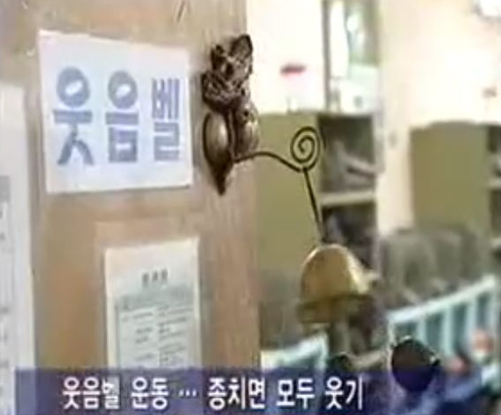
Laughter Bell
TL;DR · Origin‘Useum-bel’ (laughter bell) is not a metaphor; it was the name of an actual object. In 2005 the Republic of Korea Army’s 6th Infantry Division launched a pr…
Origin
‘Useum-bel’ (laughter bell) is not a metaphor; it was the name of an actual object. In 2005 the Republic of Korea Army’s 6th Infantry Division launched a programme called the ‘Evergreen Barracks Movement’, which spread to other units, and one of its items was a bell hung in each barracks room: when it rang, everyone present had to burst out laughing on the spot.
The background was the string of barracks-abuse scandals that surfaced in 2005. Under pressure to build infrastructure for changing military culture, the army ran several programmes, and the 6th Division’s Evergreen Barracks Movement was judged the most successful, later becoming the backbone of its reform efforts. The laughter bell was one implementation item within it.
Spread
What carried it beyond the military was television. On November 3rd, 2005, an SBS news report introduced the Evergreen Barracks Movement nationally, and its footage included the bell being rung and soldiers laughing in unison. The image of people laughing on cue regardless of what they felt stuck with viewers, and the word alone crossed over to the internet.
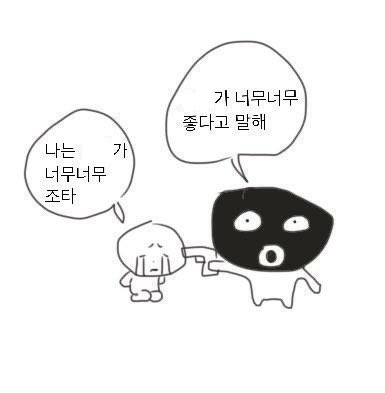
Online it settled with its meaning inverted. In the army it was an instrument of compulsion — laugh when the bell rings — whereas online it came to designate something that makes you laugh automatically the moment you see it, which is closer to praise. The key nuance is the conditioned reflex, like Pavlov’s dog salivating at a bell.
Usage
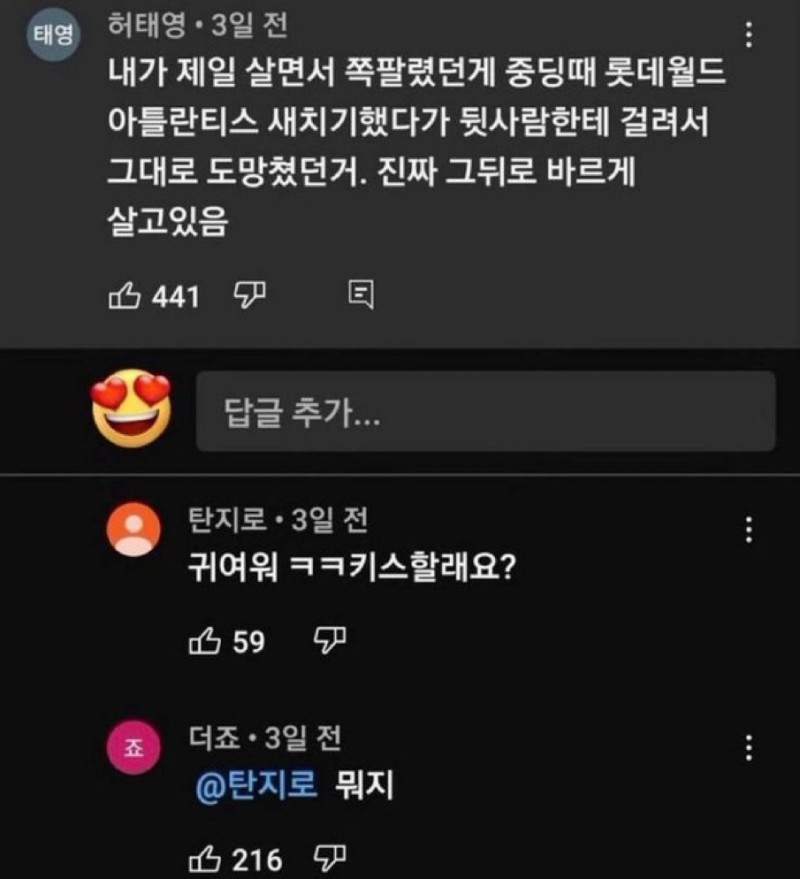
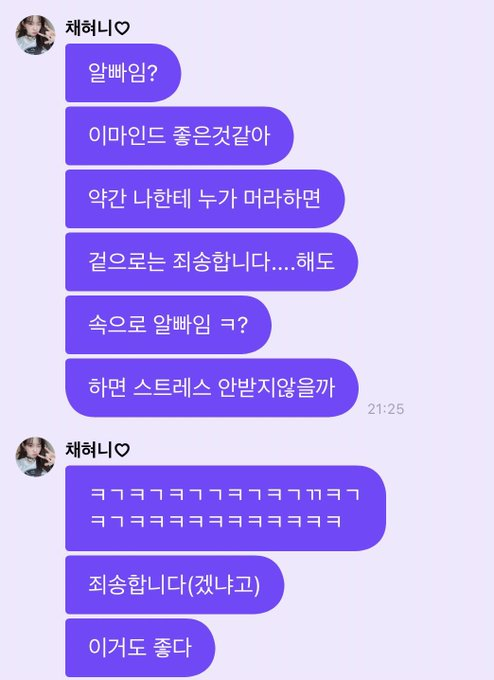
- For an image, clip or scene that gets a laugh reflexively every time — ‘this is a total laughter bell’
- Calling a particular person a laughter bell when their mere appearance is funny
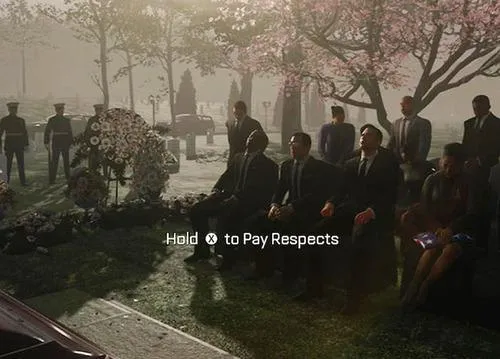
- A serious scene that nevertheless breaks you every time because of one element in it
It does not simply mean funny content; the point is the reflex, that it lands every single time on rewatch. So it applies more precisely to something that gets you at the same moment on the fifth viewing than to something that got one big laugh once.
Sources
- Namuwiki, ‘Useumbel’ — that it was an item of the 6th Infantry Division’s 2005 Evergreen Barracks Movement, the barracks-bell rule, how the SBS news report of November 3rd, 2005 made it known, and the shift of meaning online
- TheWiki, ‘Useumbel’ — the 2005 barracks-abuse scandals and the drive to build reform infrastructure, and how the 6th Division programme became the model