Then Die
TL;DR · Origin‘Then die’ is a two-panel drawing meme laying a ‘bad answer’ beside a ‘good answer’. The upper panel holds a long, earnest response to som…
Origin
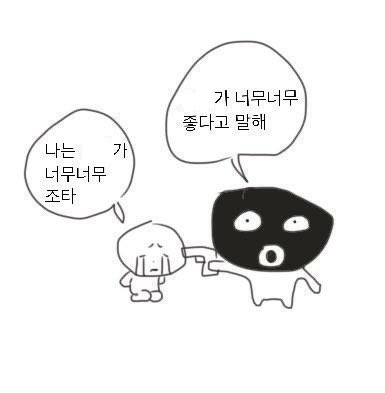
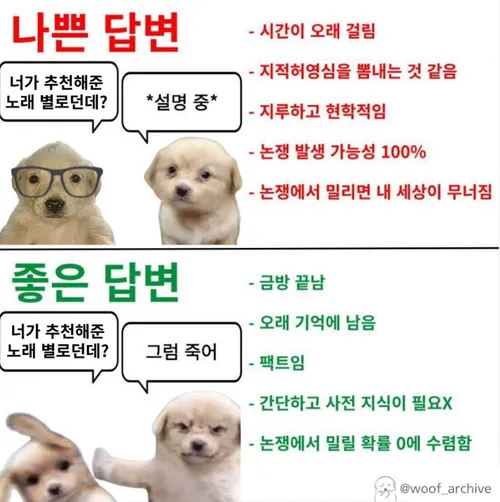
‘Then die’ is a two-panel drawing meme laying a ‘bad answer’ beside a ‘good answer’. The upper panel holds a long, earnest response to someone’s problem; the lower one holds a single short line. That line is ‘then die’.
The original is an image posted to Reddit in November 2022. It became a meme in Korea in September 2024, when the artist Odokbohaeng redrew and translated it. Odokbohaeng is not the name of a community but of an artist who draws a five-legged duck — the speaker in the picture is that duck.
Two things hold the joke up: the gap between a sweetly drawn duck and the flatness of ‘then die’, and the reversal by which that dismissive answer is filed as the better of the two.
Spread
After the translation appeared it moved quickly across communities, followed by parodies swapping the character or the line. Keeping only the two-panel frame and replacing everything inside made it fit any subject.
Where it really lands is online advice threads. There is a point at which an earnest reply becomes pointless — someone who has already decided, or who posts the same problem over and over — and cutting that off in one sentence is where the laugh comes from.
Usage
- A cynical reply to someone raising the same worry again
- A deliberately unhelpful response to exaggerated complaining
- Parodies borrowing the two-panel bad answer / good answer frame
It does not literally mean what it says; it is closer to an exaggerated ‘let’s drop it’. Given the wording, though, aimed at someone genuinely struggling it stops being a meme and becomes abuse.
Sources
- Namuwiki, ‘Then die’ — the November 2022 Reddit original; Odokbohaeng’s redrawn translation of September 2024; the five-legged duck character; the spread of parodies and why it caught on