Bing Bing Bing! It's Kungcheol!
TL;DR · OriginThis meme's root is the Korean internet creepypasta "Byeongcheol's Story." Neither the original poster nor the posting date has been pinned down, but it circulated through co…
Origin
This meme's root is the Korean internet creepypasta "Byeongcheol's Story." Neither the original poster nor the posting date has been pinned down, but it circulated through community boards for years and settled in as one of the standard Korean net horror stories. It is set in a neighborhood near Andong National University, and its spine is a knocking sound in the night — "kung kung kung!" — followed, over and over, by a voice saying "Hyung! It's me, Byeongcheol!" In the original, the thing outside the door is described as a head floating with no body attached; later comic adaptations instead draw the neck stretched abnormally long like a giraffe's, differing from the source. Versions and details are documented in the Namu Wiki entry on the story.
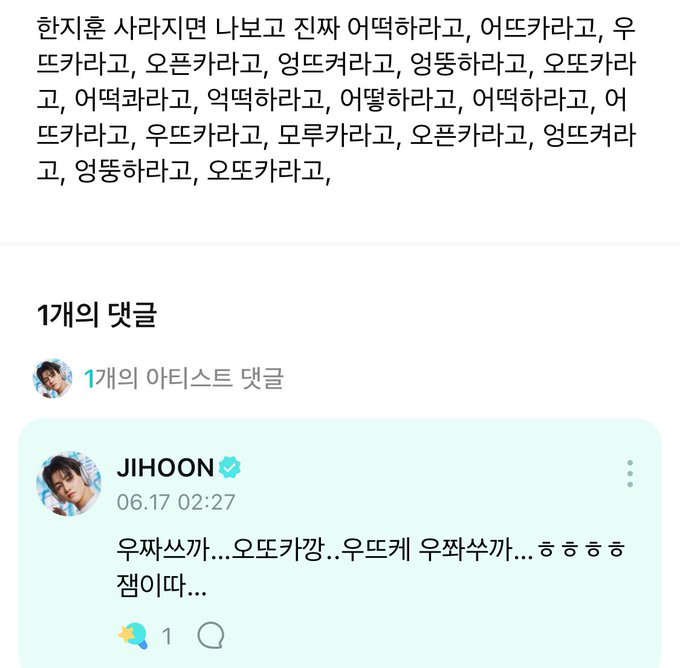
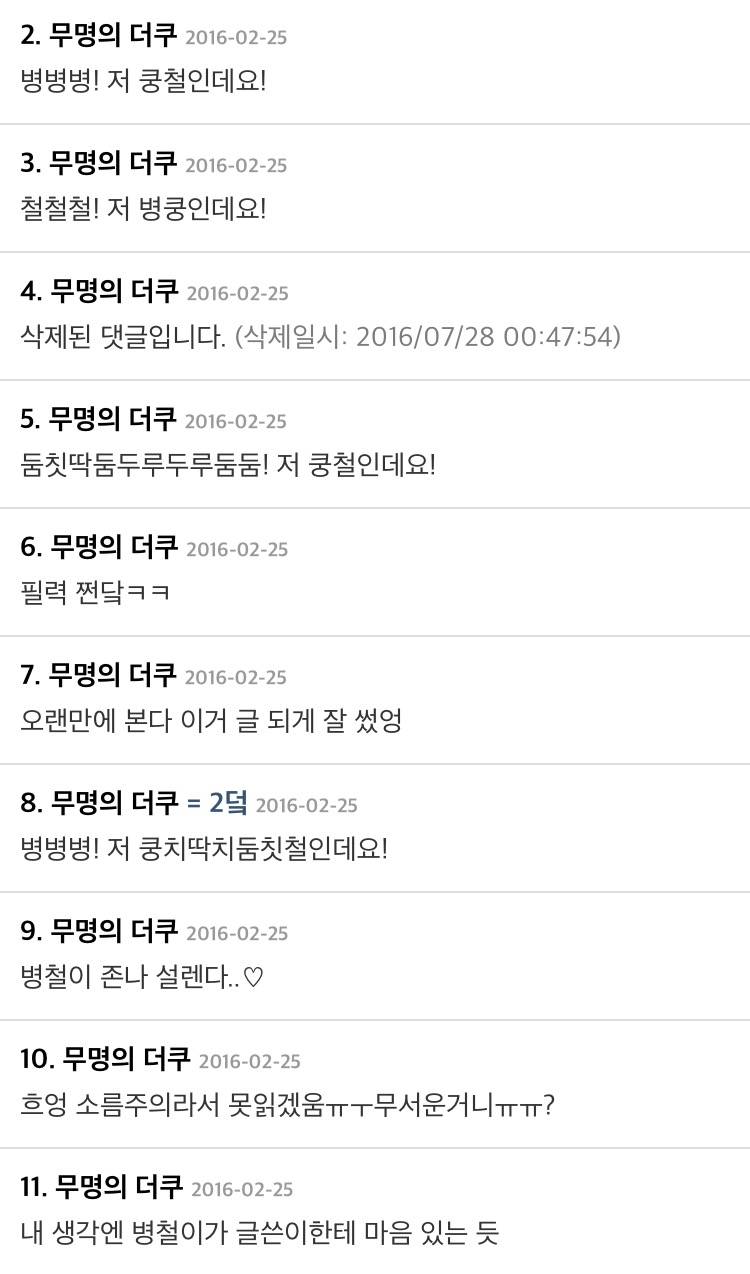
The title phrase — "Byeong byeong byeong! It's me, Kungcheol!" — is not from the story at all but a scramble of it. The actual line is "Kung kung kung! Hyung! It's me, Byeongcheol!", and the variant swaps syllables between the onomatopoeia and the name. The same trick produced countless spinoffs like "Hyung hyung hyung! Byeong, it's me, Kungcheol!" and "Byeong byeong byeong! Kung, it's me, Hyungcheol!"
Spread
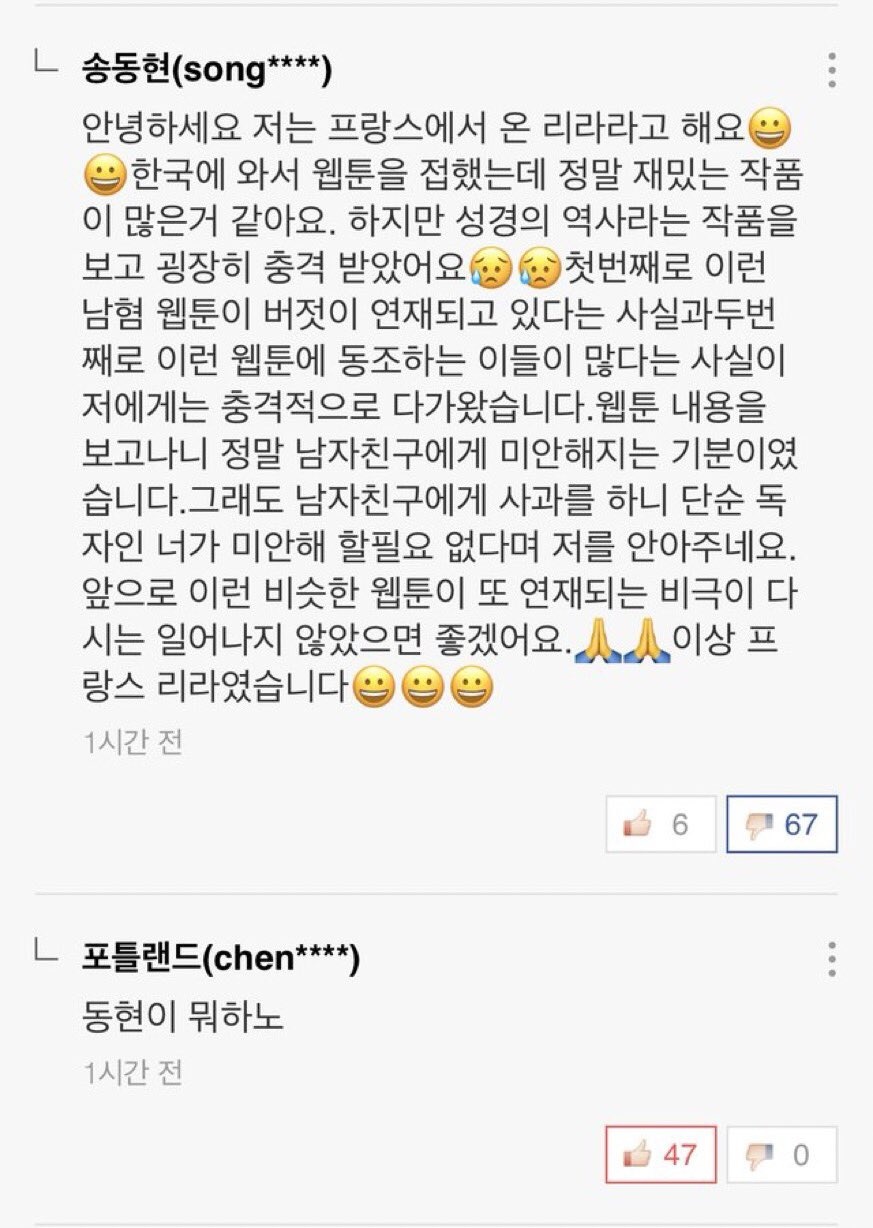
The wordplay works because of the source's structure. The same line recurs throughout the story, and the short, regular rhythm of "kung-kung-kung / hyung / Byeongcheol" lodges in the ear, so swapping a single syllable is instantly legible. Every time the story was reposted, the comment section filled with these variants, and "I read it because it was scary, then laughed at the comments" became a standard reaction. To this day the story carries the reputation of being read for its comments rather than its text.
What makes it notable is that a horror piece stopped being consumed as horror and became raw material for play. Precisely because the original was genuinely frightening, the wordplay that collapses that tension landed harder.
Usage
- Breaking the mood by imitating the original line when someone knocks or makes a noise at the door.
- Calling someone with a similar-sounding name by scrambling their syllables as a joke.
- Posting it as the standard tension-puncturing comment under horror posts.
- Borrowing the rhythm when you want to emphasize a repeated sound or phrase.
Sources
- Namu Wiki, "병철이 이야기" — the story's plot, the Andong National University setting, the original's floating-head description versus the comic adaptations, and the syllable-swap variants
- theqoo Square, "A collection of jokes from the Byeongcheol creepypasta people read for the comments" — evidence of the comment variants hardening into a meme
- Chimhaha, "Kung kung kung! Hyung! It's me, Byeongcheol!" — a circulated version of the story text
- Ruliweb humor board, "Creepypasta: Byeongcheol's Story" — an instance of the comic adaptation in circulation