Meossuktard
TL;DR · 'Meossuktard' (머쓱타드) is a Korean internet play-on-pronunciation coinage that grafts the English-derived sauce name 'mustard' (Korean spelling 'meoseuteodeu') onto the stem of the K…
'Meossuktard' (머쓱타드) is a Korean internet play-on-pronunciation coinage that grafts the English-derived sauce name 'mustard' (Korean spelling 'meoseuteodeu') onto the stem of the Korean adjective 'meossukhada' ('feeling awkward, sheepish, slightly out of place'). The result is a single label that intensifies the very ordinary sense of 'awkward', without adding any new meaning, by piggybacking on the sound shape of an unrelated food word. It sits squarely inside the Korean internet's 'pronunciation-pun compound slang' lineage. The whole trick is that, although the second half of the word semantically has nothing to do with awkwardness, the rhyme alone makes the underlying feeling visually and aurally louder.
The exact first user of 'meossuktard' is not pinned down in public sources, but it is widely reported to have spread through Korean internet communities such as DC Inside, Instiz, and TheQoo, and on Twitter, through the late 2010s. The decisive turning point came from the KakaoTalk emoticon market. The 'meossuk-ticon' (머쓱티콘) series and the related character 'meossuk-i' (머쓱이) on the Korean KakaoTalk emoticon store sold in very large volumes, and that emoticon-driven boost pushed 'meossuktard' from a niche pun into a standard everyday Korean term for 'awkward'. Public outlets such as the Korean Teachers' Pension Fund and YouTube slang explainers in the style of 'an uncle who keeps up with slang' picked up 'meossuktard' as a recurring headword, completing the move from KakaoTalk chat into mainstream slang-roundup content.
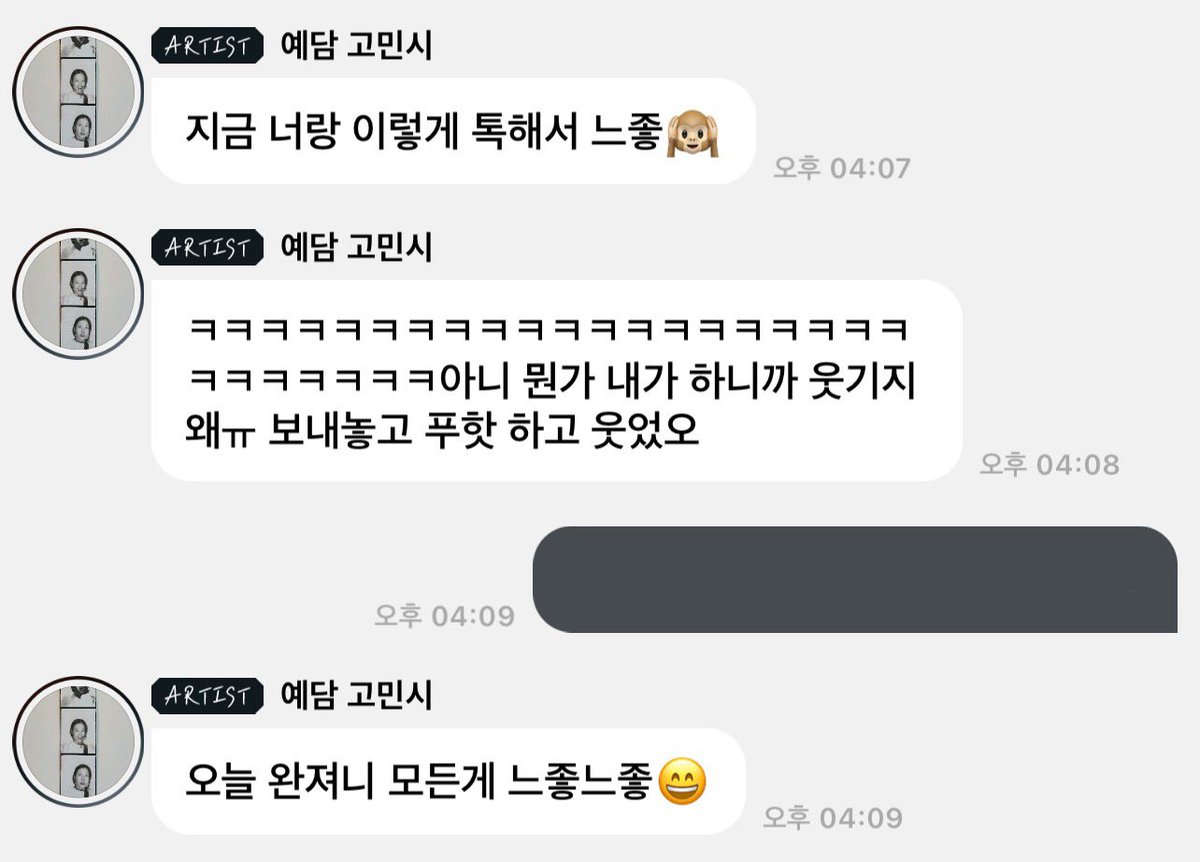
Day-to-day, the word is most often used as a self-mocking marker of the speaker's own awkwardness. After telling a joke that did not land, someone follows up on KakaoTalk with 'meossuktard haha'. After misreading the room in a meeting and saying something stiff, an employee messages the office chat 'I had a real meossuktard moment today'. An Instagram selfie with a new haircut and zero comments might be captioned 'new hair, no reactions… meossuktard'. KakaoTalk emoticons most often pair 'meossuk' or 'meossuktard' text with character drawings of someone scratching their head or smiling awkwardly. Advertising and marketing have folded the word into copy aimed at users' small mistakes or awkward moments, such as 'we solve your meossuktard OO'. Variants such as the intensified 'geuk-meossuktard' (peak-meossuktard), the trimmed 'meossuk', and the character-form 'meossuk-i' circulate together as a family.
Linguistically, meossuktard belongs to the Korean internet's lineage of pronunciation-pun compounds. Its neighbours include tone-pun coinages like 'kkilkki-ppappa' ('squeeze in when you should, step out when you should'), English-borrowing puns like 'eba-chamchi' ('eba' from over the top + 'chamchi' for tuna), and food-and-emotion hybrids similar in spirit such as 'geukyom' (extreme disgust) and 'gat-seongbi' (great price-to-performance). What sets meossuktard apart is that the imported sound family — a sauce name — has no semantic relationship at all to the target emotional field, which makes it a flagship case of the way Korean internet slang aggressively recruits unrelated phonemes for the fun of the sound. The category also includes 'sorrysorry-chicken' (an apology fused with chicken) and similar coinages, all built on the indiscriminate mixing of Korean emotional vocabulary with imported food and brand vocabulary.
From 2018 onward, meossuktard has been an almost mandatory entry in Korean slang roundups and KakaoTalk emoticon market trend reports, and across the 2020s it has settled deep into Korean messenger vocabulary. The 'meossuk-ticon' series on KakaoTalk has reportedly logged cumulative downloads in the millions, and the 'meossuk-i' character is regularly cited as evidence that a Korean internet slang word can migrate into a character IP in its own right. K-content English subtitles have settled on glosses such as 'meossuktard — awkward (a play on mustard)', and Korean-as-a-foreign-language teaching content uses meossuktard as a flagship example of Korean internet wordplay. The word is being recorded as a representative case of how a Korean internet coinage can settle into daily speech driven purely by the joy of pronunciation, without adding any new layer of meaning.