Dujonk
TL;DR · 'Dujonk' (두존크) is a Korean internet neologism currently used to refer to a person with an unusually large head, formed as a Korean abbreviation of 'dusang-i jonX keuda' (두상이 존X 크다,…
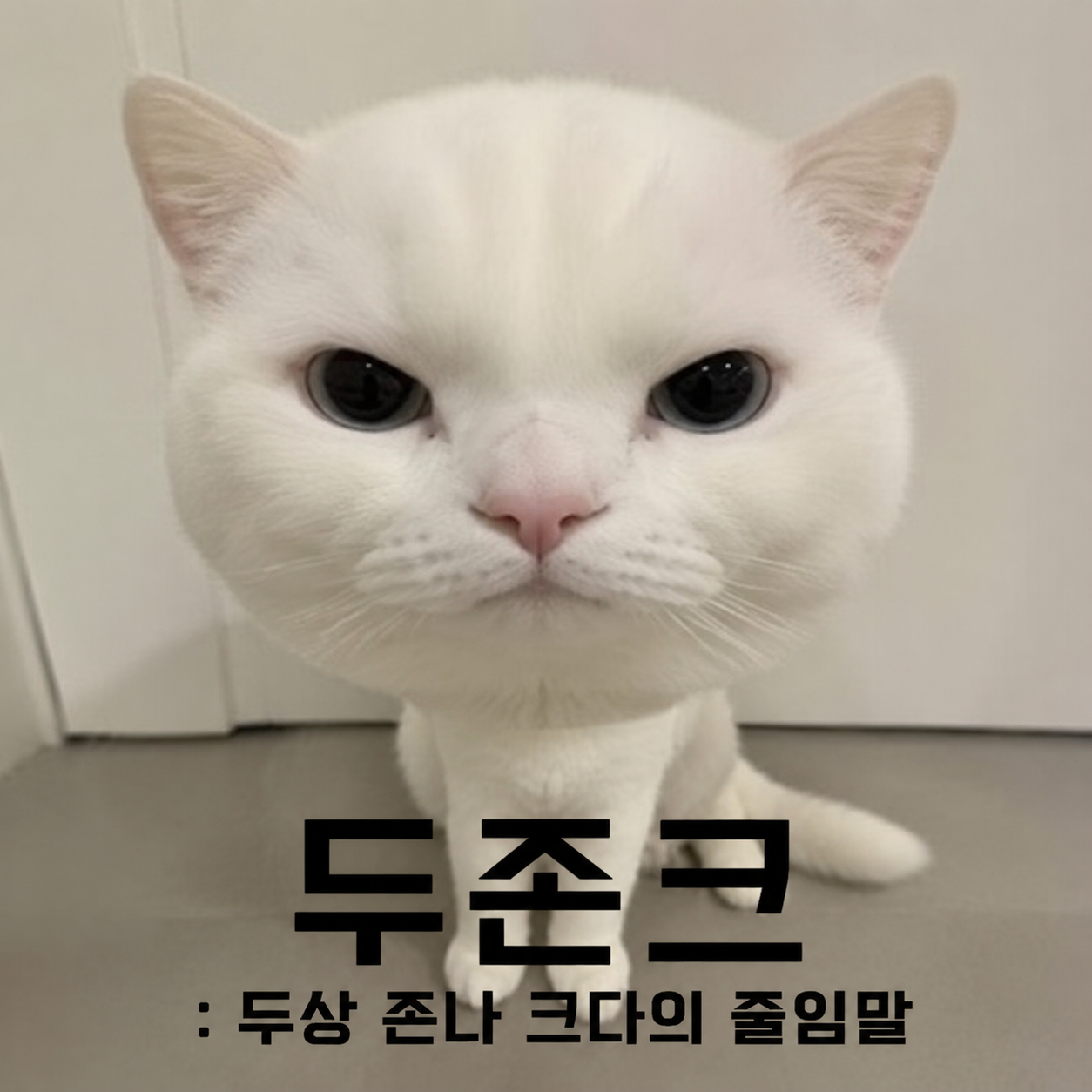
'Dujonk' (두존크) is a Korean internet neologism currently used to refer to a person with an unusually large head, formed as a Korean abbreviation of 'dusang-i jonX keuda' (두상이 존X 크다, 'one's head is extremely large'). The form 'dujonk' originally circulated as an alternative abbreviation for the Korean dessert 'Dubai jjondeuk cookie' (두바이 쫀득 쿠키, popularly 'dujjonku'), but in 2026 it migrated into a homophone-driven evaluative slang for physical appearance. Because 'dujonk' and the food slang 'dujjonku' sit almost next to each other in spelling, the meaning drift itself became a discussion point on the Korean internet. Both readings are categorised as products of Korean abbreviation-style slang formation, but Korean media and card-news coverage in 2026 have foregrounded the appearance-evaluation reading.
The meaning shift is dated roughly to late 2025 and early 2026, as Korean X and Instagram users started attaching captions like 'totally dujonk haha' to their own selfies or photos of friends, locking in the appearance-evaluation usage through repeated self-deprecating and friend-deprecating posts. On 22 January 2026, Korean outlets including Newsis and Newspim ran a card-news series headlined 'Out with anseup, in with dujonk — 2026 slang shifts from playful to blunt', which singled out dujonk as the showcase example of a 'blunt-style' new word. Since then it has appeared in nearly every Korean neologism roundup, in SNS card news, and in YouTube Shorts vocabulary explainers, often grouped with companions such as 'yudae-in' (literally 'Jewish person', here a play meaning 'someone who only watches YouTube summaries') and 'jemmin-i' (slang for someone who hands every decision to Gemini).
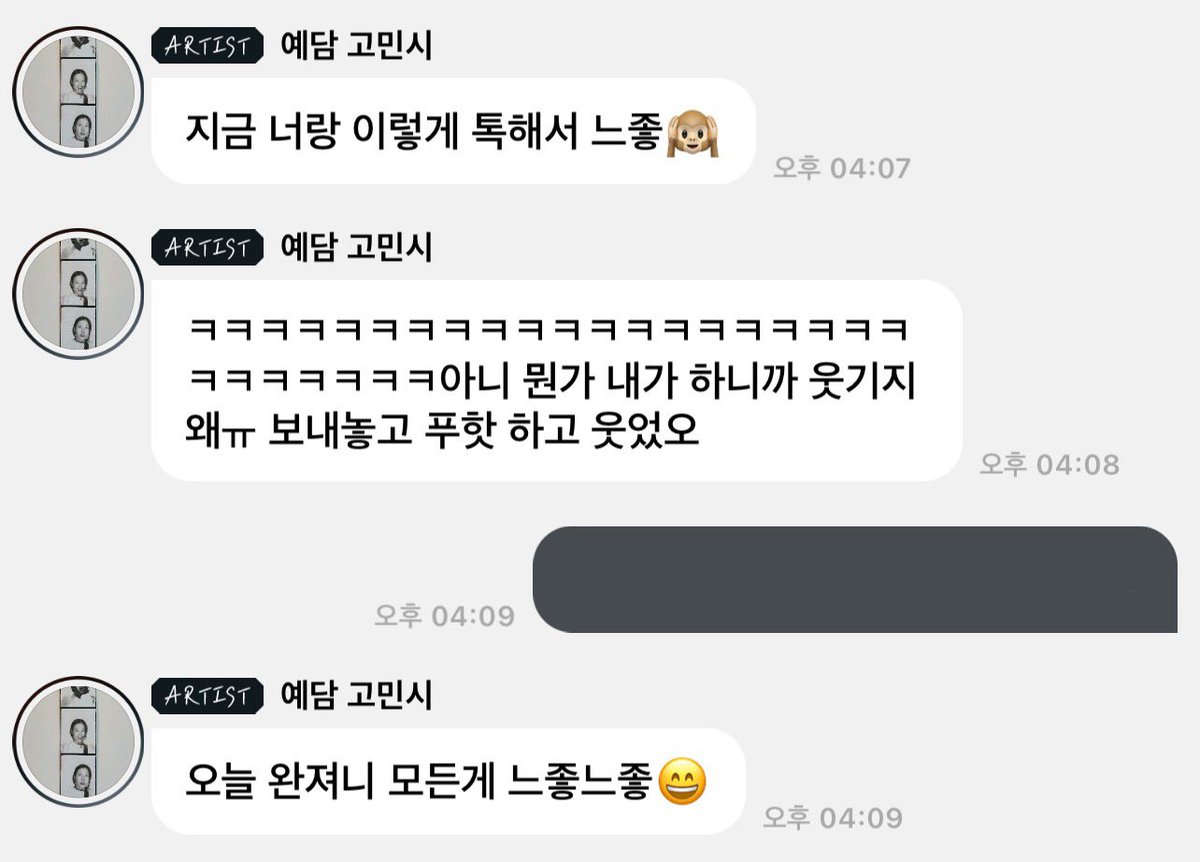
In everyday use, dujonk is most often dropped into self-deprecating or friendly tease captions among close acquaintances. People write 'feeling extra dujonk today' under an Instagram selfie, joke in KakaoTalk group chats with 'this cap really hides the dujonk lolol', or use 'dujonk self-diagnosis' style framing in head-circumference videos and hat-review content. Internet communities have also produced ironic offsets such as 'dujonk equals more active brain' or 'successful people are always dujonk', mock affirmations that lighten the harsher edge of the term. Even so, commentary on Korean slang notes that the word can still hurt depending on context and tone, and recommends careful use outside of close circles.
Linguistically, dujonk sits in the lineage of Korean abbreviation-based slang that has migrated into the territory of body evaluation. It belongs to the broader family that includes 'anseup' (an-gu-e seup-gi cha-da, 'eyes filling with moisture'; pitying or cringe) from the 2000s, 'eolkeun-i' (large-faced person) from the 2010s, and 'bamti' (tacky) from the 2020s. Where 'anseup' evaluates a whole situation a person finds themselves in, dujonk compresses a direct judgement of a specific body part into a short abbreviation, which Korean commentators have characterised as a step toward more frontal evaluation. The drift away from its earlier food-abbreviation reading 'dujjonku' is also being read alongside slang like 'noe-pisyeol' (brain + official, 'unverified claim spoken as fact') as an example of how Korean internet abbreviations rapidly absorb new contexts and quickly reshape their meanings.
Through 2026, dujonk has become a recurring entry in slang year-in-review content and trend reports, with commentators using it as the standard example of the 'blunt-talk' direction of recent Korean neologisms. Advertising and marketing for caps, headbands, and helmets have begun to lift the term with self-deprecating taglines such as 'we take responsibility for dujonk fit', and YouTube slang summaries often package 'dujonk', 'yudae-in', and 'jemmin-i' together as 'the three big AI-era direct-talk slang words of Korea'. Critics, meanwhile, have warned that the more direct an evaluative slang word becomes, the more likely it is to reinforce appearance-based judgement when used carelessly in public settings, even if it remains harmless among close friends. Dujonk is being recorded as a compact piece of evidence for the late-2020s Korean trend of slang shifting 'from play to bluntness'.