I Love Video Games / Me Too
TL;DR · Origin"I Love Video Games / Me Too" began on November 5th, 2024, when the X (formerly Twitter) account @elyelgow_ posted a two-panel image in Portuguese. The image is built on a st…
Origin
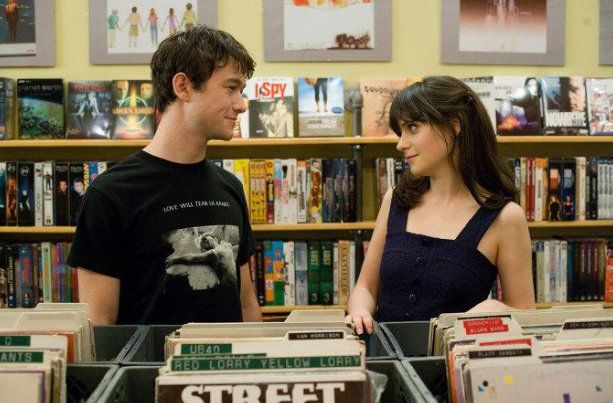
"I Love Video Games / Me Too" began on November 5th, 2024, when the X (formerly Twitter) account @elyelgow_ posted a two-panel image in Portuguese. The image is built on a still from the 2009 romance film (500) Days of Summer, in which Tom Hansen (Joseph Gordon-Levitt) and Summer (Zooey Deschanel) talk about music in a record store.
The crucial point is that the meme's dialogue is not the film's dialogue. The creator laid new captions over the screencap. In the first panel Tom says "I love video games" and Summer answers "Me too." The second panel delivers the twist: the "Video Games" Summer had in mind was not the medium but singer Lana Del Rey's 2011 song of that title. Two people exchange the same words while picturing entirely different things — that structure is the whole joke, and the original post drew 360 reposts and 2,900 likes within a week.
Spread
It crossed out of Portuguese and into English three days later. On November 8th, 2024, the account @honeyonthevine_ posted a translated version that passed 34,000 reposts and 275,000 likes in three days, pushing the meme mainstream. The translation outperformed the original by nearly a hundredfold, and the case is often cited as an example of a language jump being the decisive inflection point in a meme's spread.
The speed had a structural cause. With one man, one woman and exactly two lines, anyone could swap in new text — and blank templates circulated almost immediately, letting the format replicate endlessly on subjects unrelated to gaming.
Variations
- Taste-gap versions keep the original structure and contrast two flavors of the same hobby: casual versus hardcore play, indie titles versus AAA releases, or the gap between specific franchises and genres.
- Phrasal-template versions treat "I love ___" as a blank and leave gaming entirely. "I love K-pop," "I love tanks" and similar swaps preserve the same misunderstanding structure, which let the format circulate even among people who never knew the Lana Del Rey reference.
How It's Used
- Depicting a conversation where both sides use the same word but picture different things
- The moment you think you've found a kindred taste and discover it isn't the same taste at all
- Self-deprecating jokes about the gap between hardcore fans and casual audiences
- Pointing out misunderstandings caused by homonyms and double meanings
Sources
- Know Your Meme, "I Love Video Games / Me Too" — the November 5th, 2024 @elyelgow_ original, the November 8th @honeyonthevine_ English version, and engagement figures
- The Daily Dot, "The 'I Love Video Games' Meme Riff On Men, Women, & Gaming Culture" — readings of the meme and its derivative types
- Imgflip, "I Love Video Games / Me Too" blank template — confirmation the format was templatized