Wait Challenge
TL;DR · Origin The source song is "Maps" by the American indie rock band Yeah Yeah Yeahs, released in 2003. The challenge uses the opening line of its chorus, "Wait, they don't love you li…
Origin
The source song is "Maps" by the American indie rock band Yeah Yeah Yeahs, released in 2003. The challenge uses the opening line of its chorus, "Wait, they don't love you like I love you" — specifically the drawn-out "Wait." What went viral on TikTok was not the original recording but a sped-up remix of it.
More than twenty years after release, in September 2024, two different dances set to that sound spread almost simultaneously and the challenge took shape. A two-decade-old indie rock track was revived by a single edit of its audio.
Two dances
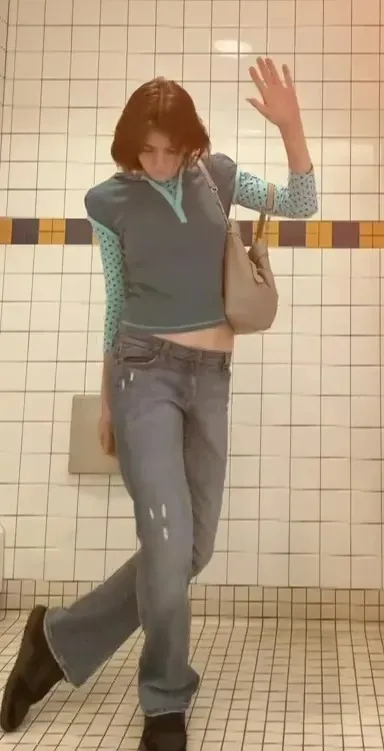
The first came from TikTok user @southernbellesuzie. Filmed in a bathroom and posted on 14 September 2024, it involves bouncing downward at the knees while alternating index-finger points on every other beat. In under two weeks it passed 6.3 million plays and 1.2 million likes.
Five days later, on 19 September, @user_18373563848 posted a different dance to the same sound: shaking the hips side to side while striking them with both hands, then finishing on the word "Wait" with a raised palm — a stop gesture. That video reached 2.6 million plays and over 600,000 likes.
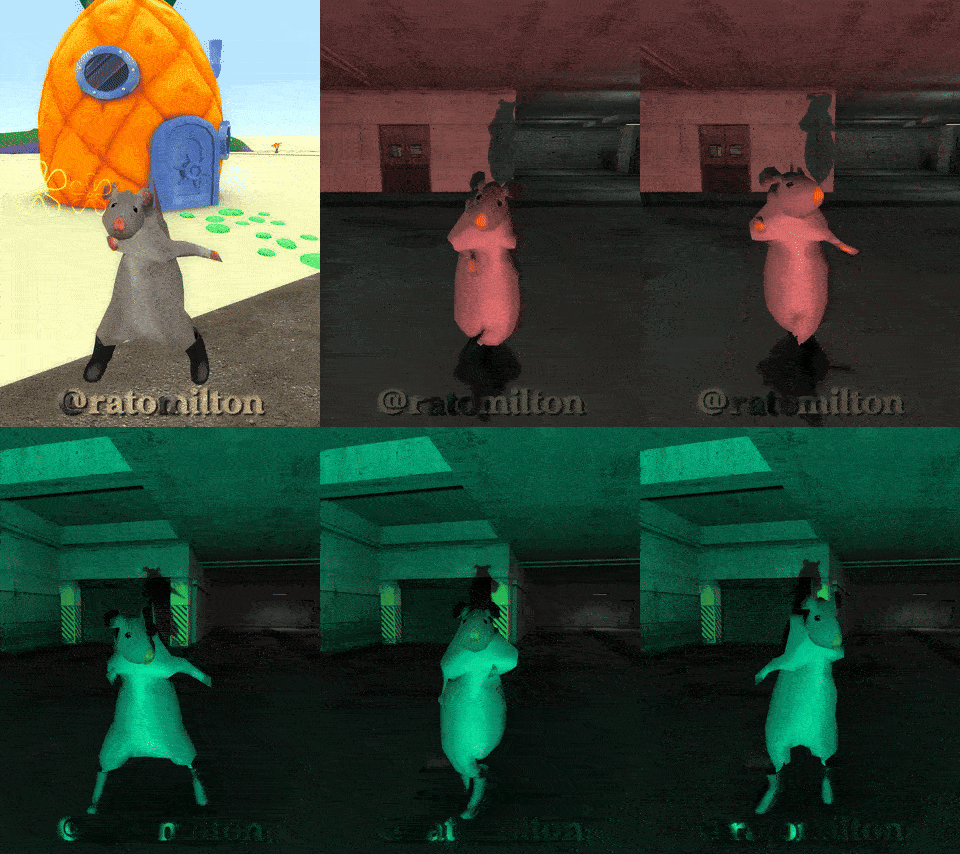
Both versions were simple and repetitive enough to copy easily, and the second one's "stop" gesture lines up so intuitively with the lyric that it is the reason Korean users named the trend the "Wait challenge."
Spread
Videos using the sped-up version passed 1.4 million, and "Maps" hit No. 1 on the TikTok Billboard Top 50 multiple times, including a fourth week at the top. It held high positions through October and November and was still at No. 5 in the first week of December. Streaming figures rose alongside, and members of the band left comments on their own music video in response.
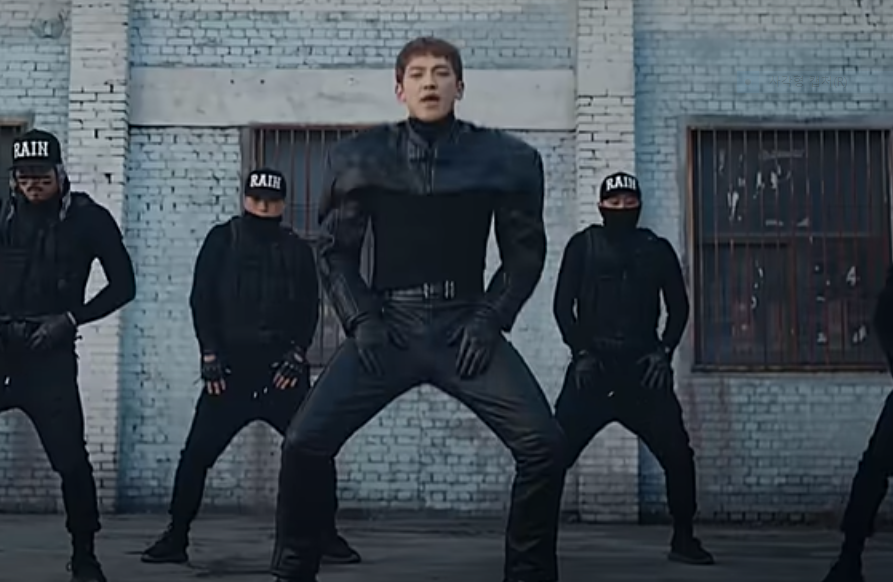
In Korea and across Asia, language-swapped versions became the dominant variant. People sang the line translated into Korean, Japanese or Chinese, and a Jeju dialect version appeared as well — the same choreography with only the language changed. Swapping the subject was common too, as in versions danced with a pet dog.
Usage
- Cutting someone off to grab attention — lifting just the "Wait" gesture
- Setting up a twist — dropping the sound mid-video to break the flow
- Multilingual play — layering your own language or dialect over the same choreography
- In everyday vlogs — as a cut transition summarizing a hectic moment
Sources
- Know Your Meme, "Wait, They Don't Love You Like I Love You" — the source song, the September 2024 appearance of both dances with accounts, play and like counts
- Billboard, "Yeah Yeah Yeahs's 'Maps' Is No. 1 on TikTok Billboard Top 50 a 4th Week" — the chart run and the 1.4 million videos figure
- Dexerto, "What is the 'Maps' dance on TikTok?" — descriptions of both dances and how they spread
- The Daily Dot, "Wait! Have You Seen The Maps Dance Yet?" — trend summary
- Trend Award, "The 'Wait~!!' sweeping the world" — Korean coverage, multilingual and Jeju dialect variants, No. 5 in the first week of December