깡
TL;DR · Origin"Kkang" is a song by singer Rain (Jung Ji-hoon) and a meme best known through the catchphrase "1-il 1-kkang" ("one Kkang a day"), meaning you dutifully watch its music video …
Origin
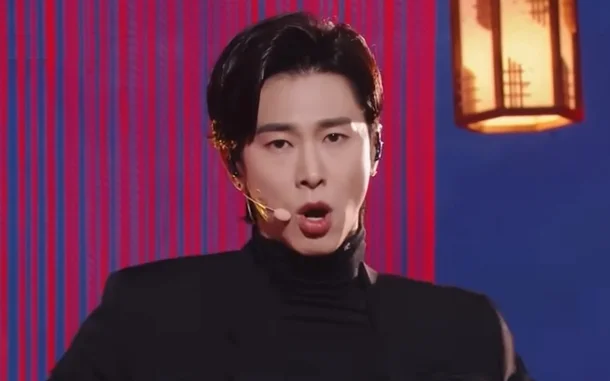
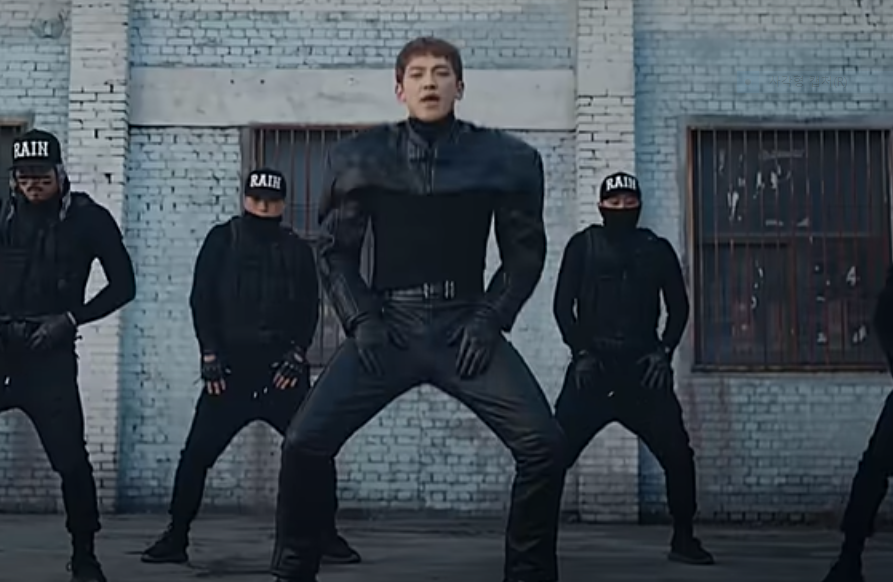
"Kkang" is a song by singer Rain (Jung Ji-hoon) and a meme best known through the catchphrase "1-il 1-kkang" ("one Kkang a day"), meaning you dutifully watch its music video once a day. The song was released on December 1, 2017 on the album MY LIFE愛, composed and arranged by the production team MagicMansion, with lyrics by MagicMansion and LTAK.
The initial reception was cold. The song, lyrics and choreography were all panned as "anachronistic" and "stale," and it made little commercial impact. Then, about two and a half years later in spring 2020, the YouTube music video suddenly surged. By May 2020 it had between 7 and 8 million views and more than 70,000 comments. People came to read the comments rather than for the music. Rain's exaggerated expressions and gestures, and the costumes and choreography that felt out of step with the times, became unintentional punchlines, and a stream of witty comments riffing on them turned the comment section itself into content.
Spread
"One Kkang a day" spread as an invitation to watch the video daily and join the comment game. Netizens added the "20 Articles of Reform" (Simu 20-jo), a list of requests for Rain written in the style of a Joseon-era memorial to the throne, including cutting back on pouty expressions, stopping the self-indulgence, facing the reality of 2020 and not trying to control everything as producer. Around the same time, videos of his older songs were dug up as well.
Rain himself turned the mood around. On MBC's Hangout with Yoo, broadcast May 16, 2020, he quipped, "Why do one Kkang a day? You should do three Kkangs a day." He admitted some disappointment at the old song resurfacing this way and conceded the dance now looked dated, and said he would accept some of the 20 articles but would not give up his signature flashy lighting and expressions. After this good-humored response, mockery turned into goodwill; Sisa Journal wrote that his image had been reassessed from "bluster" to "effort and skill."
Variations and Spin-offs
The meme even reached public-sector PR. KBS, Yeoju City in Gyeonggi Province and Chungju City in North Chungcheong Province made promotional videos using "Kkang," and Yeoju's wildfire-prevention video drew close to 500,000 views. Statistics Korea, on the other hand, joined in with a comment styled as if it had surveyed the video's view count, and apologized after being criticized for piling on. PR industry outlet The PR used the case to argue that "one Kkang a day" carries an undertone of mockery toward Rain's efforts to keep up with changing music trends, so institutional social media managers should examine a meme's context first.
Usage
- "Doing my one Kkang a day" about a video or routine you repeat daily
- Upping the count, as in "three Kkangs a day," to show over-the-top devotion
- Affectionately teasing someone's excessive bravado or dated style as very "Kkang"
Sources
- Bugs, "Kkang / Rain" — album MY LIFE愛, released December 1, 2017, MagicMansion and LTAK credits
- Seoul Shinmun, "Rain embraces the mockery... what do 'one Kkang a day' and 'Simu 20-jo' mean?" (May 17, 2020) — harsh reviews at release, meaning of the catchphrase, 8.3 million views, items in the 20 articles, his May 16 remarks on Hangout with Yoo and what he accepted or refused
- YTN, "[Culture] Beyond one Kkang a day to three a day: Rain's 'Kkang' sparks a meme phenomenon" (May 18, 2020) — 7.47 million views and 70,000 comments, viewers coming for the comments, older songs resurfacing
- Sisa Journal, "The 'one Kkang a day' phenomenon turns mockery into praise" — Statistics Korea's participation and apology, reassessment of Rain's image after his response
- The PR, "What SNS managers trying 'one Kkang a day' should keep in mind" — KBS, Yeoju and Chungju promotional videos, Yeoju wildfire video views, criticism of Statistics Korea, the mocking context of the meme