OOping
TL;DR · Origin "OO-ping" is a Korean coinage pattern borrowed from the naming rules of Catch! Teenieping, a TV animation by SAMG Entertainment. Every fairy character in the show is named w…
Origin
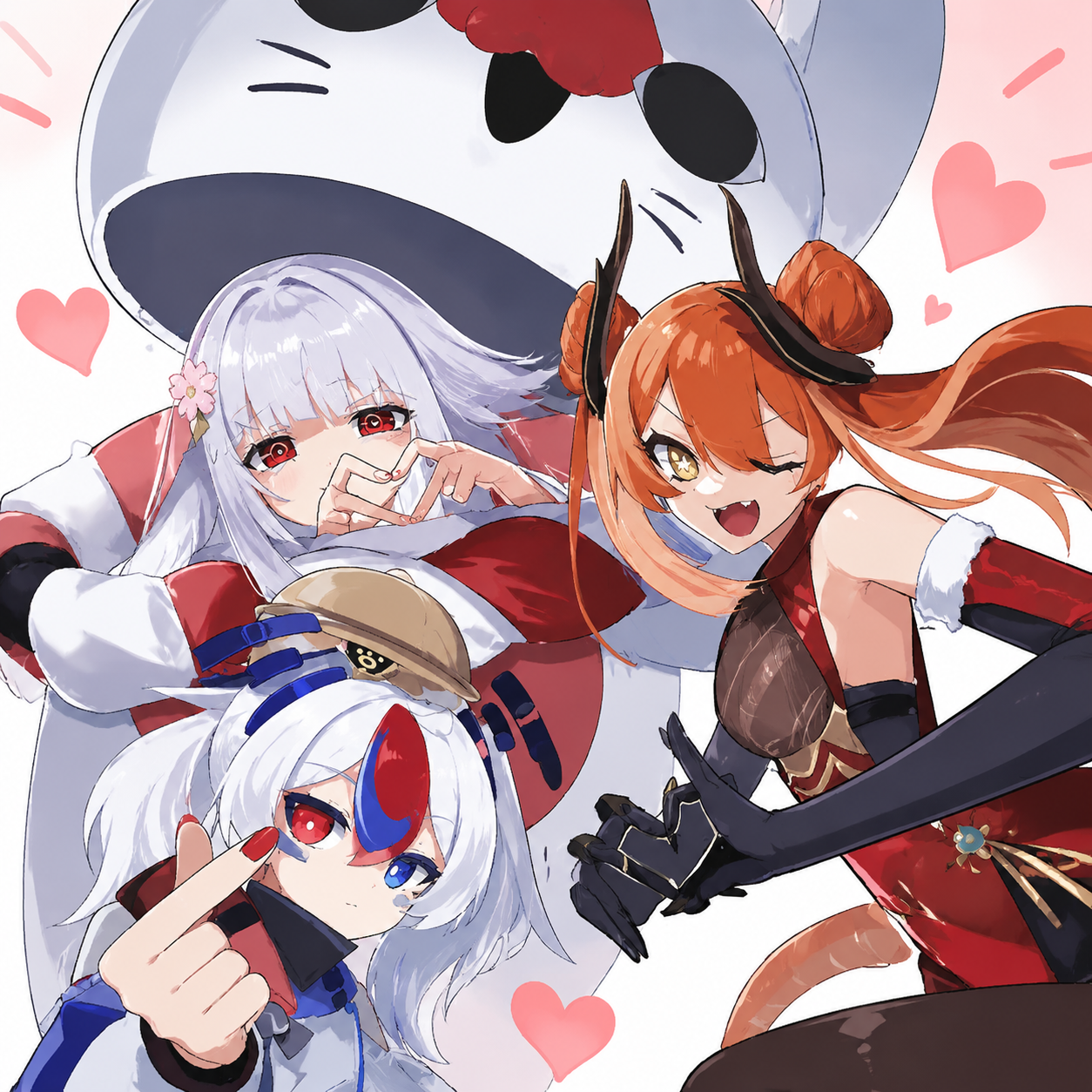
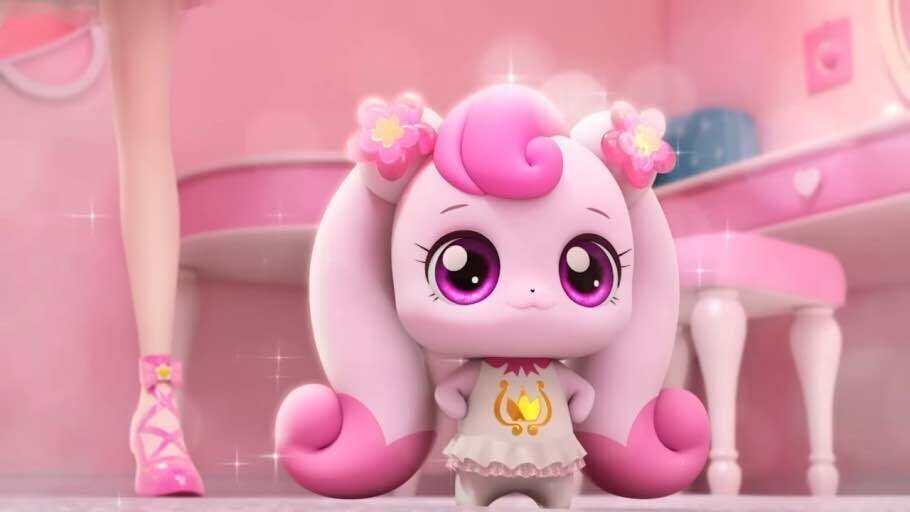
"OO-ping" is a Korean coinage pattern borrowed from the naming rules of Catch! Teenieping, a TV animation by SAMG Entertainment. Every fairy character in the show is named with the suffix "-ping" — Heartsping, Posilping, Shashaping, Mallangping — and the roster kept growing: roughly 40 in season 1 and about 20 more in each following season. Because the rule was so simple and repetitive, Korean internet users started attaching "-ping" to arbitrary words as if inventing new characters.
The decisive trigger was Heartsping: Teenieping of Love, the series' first theatrical film, released on 7 August 2024. It drew more than 1.24 million admissions — unusual for a preschool animated feature — which put the word "Teenieping" in front of adults who had never watched the show. The naming rule went viral before the work itself did, which is rare.
Spread
The meme spread along two distinct branches.
The first is self-deprecating talk about spending. In September 2024, right after the film's box-office run, Korean outlets ran stories on the pricing structure of Teenieping merchandise. Entry-level figures of the main characters ran about 8,000–10,000 won, standard figures around 12,000 won, plush toys around 22,000 won, and once a child owned a few figures the next step was a palace playset in the 50,000-won range. With the character count still climbing and some items sold as blind releases, parents concluded there was no end to it. That context produced deunggol-ping (from "backbreaker"), pasan-ping ("bankruptcy-ping") and geodeol-ping ("broke-ping") — labels newspapers printed in their own headlines.
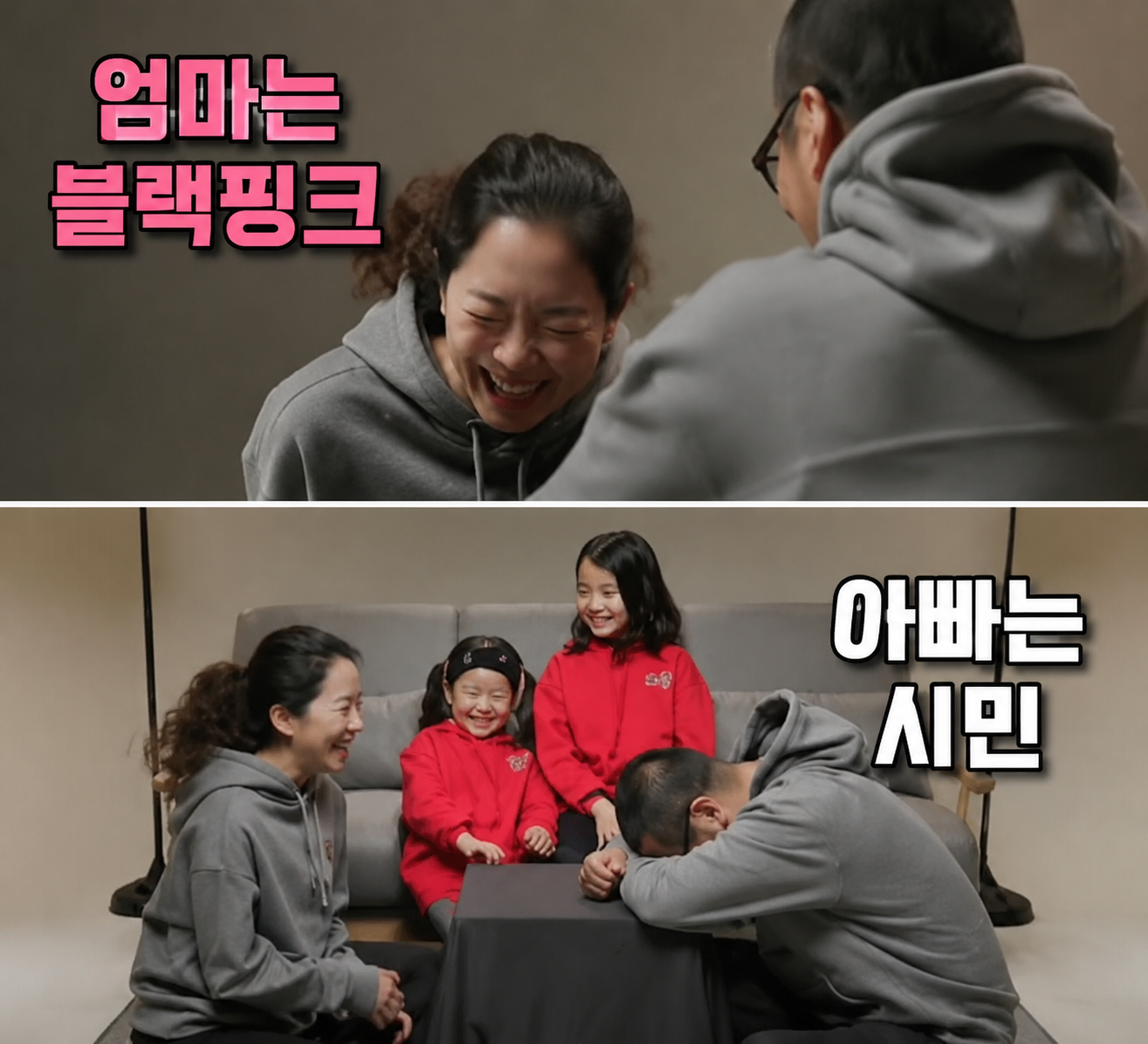
The second is the nickname suffix branch. After the film opened, a quiz format in which streamers and celebrities try to name Teenieping characters became a broadcast trend; the joke was that nobody could name them all. When the quiz fad passed, the suffix stayed behind as a way to compress someone's defining trait into a nickname — Gompang-ping and Geomdo-ping being well-known streamer examples.
Usage
- Joking about heavy spending — "this is a deunggol-ping" when toy bills get out of hand
- Compressing a person's trait into a nickname — a nagger becomes janseori-ping, a kendo practitioner geomdo-ping
- Personifying objects or situations — frequent overtime becomes yageun-ping, a looming deadline magam-ping
- Mixing affection with mockery — the soft sound of "-ping" makes a jab land more gently than plain criticism
Variants and derivatives
In the spending branch, deunggol-ping, pasan-ping and geodeol-ping were the most widespread, and an inversion appeared too: Hana Bank's children's finance content "Ibooja" ran a piece titled "Not deunggol-ping or pasan-ping, but buja-ping (rich-ping)!", pulling the meme into financial education. That is a case of the meme crossing from community slang into brand communication.
The nickname branch has no fixed list, since it generates endlessly by swapping the stem. Note, however, that "ping" already existed in Korean internet slang long before Teenieping, as a clipping of "gura briefing" (a bogus briefing, i.e. a lie). The lie-calling "ping" and the character-naming "ping" have separate origins and are sometimes confused.
Sources
- Money Today, 13 September 2024 — "Teenieping, notorious for breaking parents' backs: the company is in the red and the stock is down 80%" — press usage of "deunggol-ping"
- Hankyung, 12 September 2024 — "Parents are in real trouble: why everyone says they are going bankrupt" — the "pasan-ping" context and merchandise prices
- Sobilife — "Do you know why Teenieping became pasan-ping?" — figure, plush and playset prices, character counts
- Wikipedia (Korean), "Heartsping: Teenieping of Love" — 7 August 2024 release, admissions record
- Namu Wiki, "Teenieping name-guessing game" — how the quiz fad followed the film
- Namu Wiki, "Chzzk/Memes" — the "XX-ping" nickname usage, Gompang-ping and Geomdo-ping