Kimpungseureopda
TL;DR · 'Kimpungseureopda' (김풍스럽다) is a Korean internet adjective coined by attaching the native Korean adjective ending '-seureopda' to the name of cartoonist and TV personality Kim Pung.…
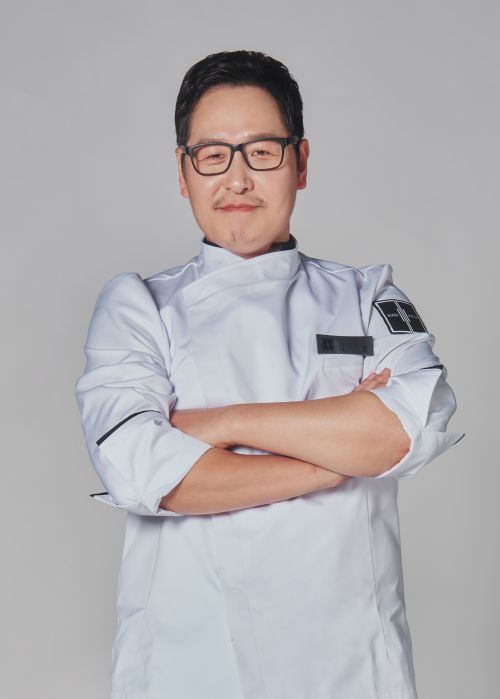
'Kimpungseureopda' (김풍스럽다) is a Korean internet adjective coined by attaching the native Korean adjective ending '-seureopda' to the name of cartoonist and TV personality Kim Pung. The word describes a situation where 'the process looks shaky but the final result somehow turns out fine,' and is typically used in lines such as 'wait, what is this — that turned out really Kimpungseureopda' or 'I threw the slides together at the last minute and somehow people loved them, that is so Kimpungseureopda.' The expression compresses the surprise, improvisation, and unexpectedly polished outcome into a single label that lets speakers acknowledge that the path was rough without taking anything away from the result.
The term began appearing sporadically on X (formerly Twitter) and in Instagram captions during the late 2025 holiday season, and gained mainstream visibility in January 2026 when outlets including Nate News and Asia Today included it as an entry in their year-opening 'neologisms of 2026' card-news features. Its lineage points directly at Kim Pung's working pattern across his YouTube channel, his variety-show appearances, and his webtoon and illustration projects — a habit of drawing on the fly so that the first few minutes look messy, yet by the final stroke the picture suddenly looks composed. Korean viewers absorbed that arc into a general-purpose adjective. The word carries almost no negative tone; if anything, it leans optimistic, with an undercurrent of 'as long as the result is good, the rest can be forgiven.'
In actual usage the adjective fits a wide range of everyday situations. People reach for it when they hardly studied yet ended up with strong exam scores, when last-minute presentation slides drew unexpected praise, when a rushed family-gathering dish became the surprise highlight of the meal, or when any 'sloppy process plus solid outcome' combination shows up in conversation. On social platforms it frequently appears in diary-style captions like 'today was such a Kimpungseureopda day' or 'this project, if you only look at the result, is pretty Kimpungseureopda.' Some workplace community posts use it as gentle self-deprecation, labeling rough drafts that still managed to clear internal approvals as 'classic Kimpungseureopda work.'
Among Korean neologisms, there is a recognizable family of adjectives that take a public figure's name and add '-seureopda' to generalize that person's defining trait. 'Kimpungseureopda' belongs squarely to that family. Adjacent examples include 'Seojanghoonseureopda,' which turns retired basketball commentator Seo Jang-hoon's blunt, reality-check style of advice into a general descriptor, and 'Karinaseureopda,' which captures the way aespa member Karina seems to ignore her own visual reputation. What makes the Kim Pung version distinctive within that family is that it labels a relationship between process and product rather than a single personality trait, which observers often connect to a broader Korean tendency to evaluate work by the final deliverable rather than by the tidiness of the steps that produced it.
In terms of media spread, 'Kimpungseureopda' shows up in X captions, Instagram Reels subtitles, the Nate News and Asia Today card-news 'neologism' roundups, free-board posts on DC Inside and Ruliweb collecting '2026 slang of the year,' and casual posts on the workplace community Blind. The term offers a clean case study of a Korean popular-culture figure whose working manner has been absorbed by internet slang and pushed out into the everyday speech of users who have never even watched the source content, marking it as a representative neologism of the first half of 2026 that shows how character traits of public figures are still being converted into common Korean adjectives.